Longevity Weekly Review 2026-11-04

Week In Review
The central problem in rejuvenation biology has always been the trade. Reset an old cell’s epigenome far enough and it recovers youthful function, but push a little further and it forgets what kind of cell it was supposed to be. Two reports this week attack that trade from opposite directions. A Harvard group found that a single RNA splicing factor, SRSF1, extends median lifespan in aged mice by 14 percent and cuts frailty by 44 percent while leaving cell identity intact, suggesting that the machinery which decides how genes are spliced is itself a rejuvenation lever independent of the Yamanaka factors. A second group kept the Yamanaka factors but changed the delivery, using circular RNA to express OCT4, SOX2 and KLF4 in a form that cannot complete the trip to pluripotency. One approach finds a safer lever; the other builds a safer handle for the dangerous one.
A second cluster concerns subtraction rather than repair. Aging tissue carries cells that would be better gone, and the week produced three different ways to delete them. A Chinese team reported that a nanoparticle vaccine trained the immune system against a senescent-cell surface protein and raised median lifespan in female mice by 12 percent when given late in life, halving senescence markers in visceral fat. A Pittsburgh group wrote deletion into engineered tissue itself, building a genetic circuit that induces apoptosis in unwanted cells inside a growing organoid without the dissociation step that destroys vasculature. And a Massachusetts General team found that the reason middle-aged male mice lose tumor control earlier than females is androgen-accelerated thymic shrinkage, which is reversible: suppress the hormones and the naive T cell reserve comes back, along with the anti-cancer response.
The brain emerged this week as a controller of systemic aging rather than merely a victim of it. Elevating one growth factor in astrocytes slowed aging across skin, liver, spleen and kidney while restoring maze performance to young-mouse levels, which places a brain cell type upstream of senescence in distant organs. A separate study used a 40.68 megahertz electromagnetic field to drive the brain’s waste-clearance plumbing within ten minutes by repositioning water channels in those same astrocytes. In humans, a Copenhagen company reported that an oral TREM2-targeting drug shifted cerebrospinal fluid aging markers toward younger profiles in elderly Phase 1 participants, which is a small result but one measured in people rather than mice.
Running underneath all of this is a question about where the field should look. Two items this week argue for widening the search. Comparative biologists are turning to clams that live five centuries, bowhead whales with superior DNA repair enzymes, and naked mole rats that tolerate oxidative damage rather than studying mice alone, on the theory that longevity is several solved problems and not one. The National Institutes of Health took a different bet, committing $29 million to follow nearly 55,000 companion dogs through real households and real environmental exposures. Both are wagers that the mouse cage and the molecular pathway have been asked most of what they can answer.
Items
A Splicing Factor Extends Mouse Lifespan Without Erasing Cell Identity
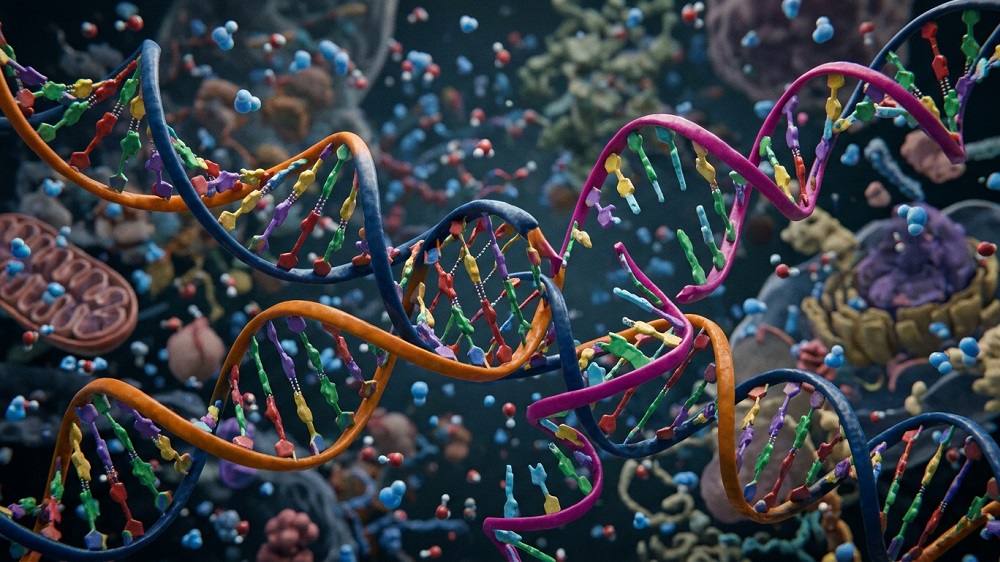
Most attempts to roll back cellular age have gone through the Yamanaka factors, the four genes that turn an adult cell into a stem cell. Partial reprogramming tries to stop the process early, catching the rejuvenation without the identity loss. It works, but the window is narrow, and overshooting produces cells that no longer know their job, which in a living animal means tumors. A team including Alex Plesa and George Church at Harvard Medical School went looking for a different lever entirely, and reported their results in Nature Aging.
The lever they found is SRSF1, a protein that governs RNA splicing, the editorial step where a transcribed gene is cut and rejoined into the particular message a cell needs. SRSF1 expression declines as cells age. Acute induction of SRSF1 in aged mice extended median lifespan by 14 percent, according to the Lifespan Research Institute’s account of the paper. The healthspan numbers are arguably more striking than the survival figure: frailty fell by 44 percent, wounds closed faster, and physical function improved.
At the cellular level, SRSF1 reversed several aging hallmarks at once, reducing senescence markers, easing proteostatic stress and damping inflammatory signaling while switching on DNA repair pathways. The crucial difference from Yamanaka reprogramming is what did not happen. RNA sequencing showed the cells kept their identity. A liver cell treated this way remained recognizably a liver cell, which removes the dedifferentiation hazard that has kept partial reprogramming confined to careful dosing schedules.
The intervention is not a simple switch, though. Constitutive overexpression of SRSF1 failed to improve regeneration, and timing and dose both mattered. The researchers describe the molecule as precisely regulated rather than monotonically beneficial, meaning more is not better and the therapeutic version will need control over when and how much. That is a harder engineering problem than a gene you simply turn on, but it is a familiar one in drug development, and it sits on the safer side of the trade that has constrained this field.
Source: Lifespan.io
A Vaccine That Teaches the Immune System to Clear Senescent Cells

Senescent cells are the retired workers of tissue biology. They have stopped dividing but refuse to die, and they secrete a steady stream of inflammatory signals that degrade the tissue around them. Senolytic drugs clear them chemically, which works but requires repeated dosing and hits healthy cells as collateral. A Chinese group led by Q. Song and colleagues asked whether the immune system could be taught to do the job instead, and published the result in Advanced Science.
Their construct has three parts. Gpnmb, a protein enriched on the surface of senescent cells, serves as the antigen the immune system learns to attack. CpG DNA acts as the adjuvant, triggering an immune response through the TLR9 receptor. A scaffolding protein called CK5 packages the whole thing into particles roughly 90 nanometers across. The design is conventional vaccine engineering pointed at an unconventional target: not a pathogen, but a cell state.
Given late in life to female B6 mice, the vaccine produced a 12 percent increase in median lifespan, as reported in the Lifespan Research Institute’s summary. Senescence markers in visceral fat fell by about half relative to controls, and both glucose tolerance and insulin response improved. That metabolic signal matters, because visceral fat is one of the tissues where senescent cell burden most clearly translates into systemic dysfunction.
The caveats are real and the summary states them plainly: ten mice per group, and control animals that were unusually short-lived, which inflates any percentage improvement measured against them. A 12 percent median lifespan gain from a small cohort with a weak control arm is a result that needs replication at scale before it means much numerically. What survives the caveats is the mechanism. If a durable immune memory against a senescence surface marker can be established with a single vaccination course, the economics of senolytic therapy change completely, from a drug taken indefinitely to an immunization given once.
Source: Lifespan.io
Circular RNA Delivers Reprogramming Factors That Cannot Go Too Far
Partial reprogramming has a safety problem built into its biology. Expressing the Yamanaka factors in an aged cell produces three phases in sequence: first nothing, then genuine epigenetic rejuvenation, then dedifferentiation into a pluripotent stem cell. The second phase is the therapy and the third is a tumor risk. Every delivery method to date has tried to solve this with timing, switching the factors off before the cell crosses the line. That puts enormous weight on dose control in tissues where dosing is imprecise.
A group publishing in Stem Cell Research and Therapy took a structural approach instead, building a platform they call circ-OSK. It uses circular RNA, delivered in lipid nanoparticles, to express three of the four factors: OCT4, SOX2 and KLF4. The critical property is what the construct cannot do. Circ-OSK alone is insufficient to convert mesenchymal stem cells into induced pluripotent stem cells. The dangerous endpoint is off the table not because the treatment is stopped in time, but because the delivery vehicle lacks the capacity to reach it.
Within that safer envelope, the rejuvenation held up. Treated cells showed reduced senescence markers and less DNA damage, and recovered proliferative, migratory and differentiation capacities comparable to early-passage cells. In practical terms, old mesenchymal stem cells behaved like young ones again. RNA sequencing confirmed that cell identity and genome integrity were preserved, with no pluripotent conversion. The PI3K-Akt signaling pathway was repressed in the rejuvenated cells, offering a mechanistic handle on what changed.
The near-term application is less about treating patients directly than about fixing the supply chain for cell therapies. Stem cells expanded in culture accumulate exactly the damage this method reverses, and the quality of a cell therapy product depends heavily on the biological age of the cells going into it. A reprogramming method that is structurally incapable of producing pluripotent cells is well suited to that job, where safety margins have to be absolute and the treatment happens in a dish rather than a body.
Source: Fight Aging!
One Growth Factor in Brain Support Cells Slows Aging Across the Body
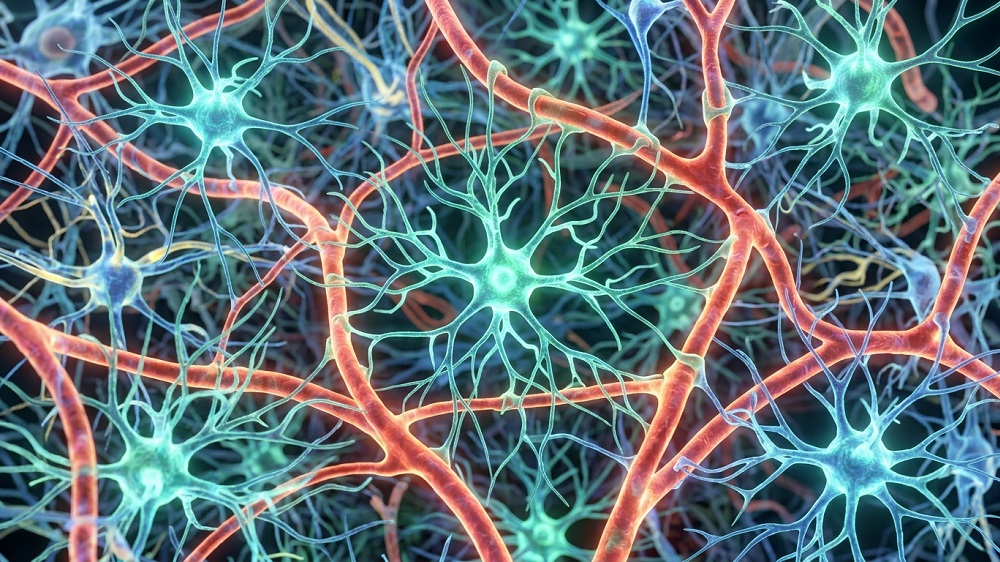
Astrocytes are the star-shaped support cells that outnumber neurons in the brain and handle the unglamorous work of metabolic supply, waste handling and synaptic maintenance. They are not usually treated as a control point for whole-body aging. A study in Aging Cell suggests they might be, reporting that raising a single growth factor in astrocytes of old mice produced effects that reached well past the skull.
The factor is fibroblast growth factor 13, or FGF13. Researchers used genetic techniques to elevate it specifically in astrocytes of aging mice. The cognitive result came first and was unambiguous: performance in the Morris water maze, a standard spatial memory test, matched that of young control animals. Inflammatory cytokines fell substantially, with interferon-gamma and interleukin-6 showing the largest declines.
The systemic findings are what make this interesting. Cellular senescence decreased not only in the brain but in skin, liver, spleen and kidney, and age-related weight gain was reduced. A manipulation confined to one cell type in one organ changed senescence burden in four distant tissues, which implies that astrocytes sit upstream of something that propagates. Chronic inflammation is the obvious candidate for the messenger, given how sharply the circulating cytokines dropped.
Mechanistically, FGF13 appears to work through autophagy, the cellular recycling process that clears damaged components. The researchers found a physical interaction between FGF13 and Phafin2, a protein tied to autophagy regulation, and autophagic activity increased. The gap between this result and a therapy is wide, since the study used genetic tools and proposed no delivery method for humans. But it identifies a target, and brain-to-body signaling is a direction with far fewer established programs than the senescence and reprogramming routes.
Source: Lifespan.io
Why Male Mice Lose Tumor Defenses Early, and How to Give Them Back

Men develop and die from most cancers at higher rates than women, a gap usually attributed to smoking, occupational exposure and later presentation to doctors. Work from Lydia Menzel, M. Zschummel, Meghan O’Melia and colleagues at Massachusetts General Hospital, published in Nature Aging, points to a biological contribution that is specific, measurable, and in mice reversible.
The group implanted melanoma in middle-aged mice and found that males controlled the tumor less effectively than females of the same age. Tracing the cause led to naive CD8+ T cells, the pool of immune cells that have not yet encountered a target and therefore constitute the body’s capacity to recognize something new, such as a tumor. Males began losing these cells earlier than females, and their lymph nodes shrank sooner.
The cells were not simply dying. They were converting into so-called virtual memory cells at higher rates in males, a transformation that leaves the cell less able to proliferate and carrying more senescence markers, even while it produces more immune signaling molecules. Meanwhile the thymus, the organ that manufactures fresh T cells to replenish the naive pool, was shrinking faster in males. Both the supply line and the reserve were degrading early.
The intervention tested the hormonal hypothesis directly. Suppressing androgens, either surgically or with the drug degarelix, increased thymic cellularity, repopulated the lymph nodes, restored naive CD8+ T cell numbers and substantially improved tumor control in middle-aged males. Human imaging data supported the translational link, with poorer thymic preservation in men corresponding to smaller naive T cell populations. Androgen deprivation is not a plausible preventive therapy for healthy men, given its own costs, but it establishes that thymic involution is a rate-limiting step for anti-tumor immunity and that the rate is set by something adjustable.
Source: Lifespan.io
An Oral Drug Moves Human Brain Aging Markers in a Phase 1 Trial
Most of what the longevity field reports happens in mice. Human data is rarer, slower, and almost always confined to safety and biomarkers rather than outcomes. Muna Therapeutics, a clinical-stage company with operations in Copenhagen and Boston, reported Phase 1 results this week for MNA-001, an oral small molecule aimed at the brain’s immune cells.
The target is TREM2, a receptor on microglia, the resident immune cells of the central nervous system. TREM2 variants are among the stronger genetic risk factors for Alzheimer’s disease, and the receptor governs how aggressively microglia respond to damage and debris. The trial was randomized, double-blind and placebo-controlled, with single and multiple ascending dose cohorts in younger volunteers plus a separate elderly group. Participant numbers were not disclosed in the report.
In elderly participants on repeated dosing, cerebrospinal fluid markers tied to aging shifted toward profiles seen in younger healthy people, spanning microglial activity, innate immune response and neuronal stress. Soluble TREM2 fell in both cerebrospinal fluid and plasma as doses increased, indicating the drug engaged its target in the compartment that matters. Safety was clean, with no serious adverse events, no discontinuations from side effects and mostly mild reactions.
Biomarker movement in a Phase 1 trial is evidence that a drug does something in people, not evidence that the something helps. The distinction has been expensive in neurodegeneration, where many compounds have shifted markers convincingly and then failed on cognition. Muna expects to start a Phase 2 trial in early 2027 comparing MNA-001 against placebo using cognitive assessments and disease progression biomarkers, which is the test that counts. What distinguishes this program is framing: the readouts were aging markers in cerebrospinal fluid, treating brain aging as the measurable thing rather than a specific diagnosis.
Source: Longevity.Technology
Engineered Tissue That Deletes Its Own Unwanted Cells
Two decades of tissue engineering have been organized around addition. Seed the right cells, supply the right signals, and coax them into something resembling an organ. Development itself does not work that way. Embryos build structures and then remove large numbers of cells by programmed death, sculpting tissue by subtraction as much as by growth. A group at the University of Pittsburgh, including Mohammad Taheri, Yuda Xiang and Mo Ebrahimkhani, built that missing capability into engineered tissue.
Their genetic circuit, SynBITE, has three layers: a sensor that reads cell state, a Boolean logic processor that decides, and an actuator, an inducible caspase-9 carrying a degradation tag, that executes apoptosis in the selected cells. Induction runs through a trimethoprim-based system, and CRISPR activation at the CYP3A4 locus provides the sensing signal for liver identity. The caspase-9 switch is borrowed from CAR T cell therapy, where it serves as an emergency kill mechanism for engineered immune cells; here it is repurposed as a precision editing tool inside a growing organoid.
The practical payoff is architectural. The standard way to purify an organoid is to break the tissue apart, sort the cells and reassemble, which destroys the delicate vascular structures that took the longest to form. In-place selection preserved roughly 23 percent more vessel length and 122 percent more vascular junctions than dissociation-based purification, according to Longevity.Technology’s account. Function improved alongside structure: drug-metabolizing activity reached about 60 percent of primary human hepatocyte levels, against roughly 20 percent without apoptosis induction.
A liver organoid at 60 percent of real hepatocyte metabolic function is useful well before anyone transplants one, serving as a drug toxicity testbed that reflects human liver chemistry more faithfully than current models. The founders have spun the work into a company, HexemBio, cofounded by Ebrahimkhani with Samira Kiani, Joshua Hislop, Gabriel Levesque Tremblay and Samet Yildirim. The broader idea has legs beyond organoids: tissue carrying a logic circuit that removes cells meeting defined criteria is a general-purpose tool, and senescent or transformed cells are the obvious criteria to write next.
Source: Longevity.Technology
An Electromagnetic Field That Restarts the Brain’s Waste Clearance in Ten Minutes
The glymphatic system is the brain’s drainage network, flushing metabolic waste and misfolded proteins out through channels alongside blood vessels. It slows with age, and the resulting accumulation is implicated in neurodegeneration. Most attempts to improve it work indirectly through sleep, since drainage peaks during deep sleep. A study published in Science Advances took a direct route and got results on a timescale measured in minutes.
The intervention is a 40.68 megahertz ultrashort wave electromagnetic field. Applied to healthy mice, it enhanced glymphatic drainage within ten minutes, increasing both fluid influx and efflux. The mechanism runs through aquaporin-4, the water channel protein that must sit in the astrocyte endfeet wrapping perivascular spaces for drainage to work efficiently. With age, these channels drift out of position, a loss of polarization that degrades clearance regardless of how much fluid is available.
The coupling the authors identified is unusual. The electromagnetic field induces delta oscillations, the slow synchronized neuronal firing characteristic of deep sleep, and those oscillations drive aquaporin-4 back into its correct perivascular position. In the paper’s terms, ultrashort wave stimulation couples synchronized firing to perivascular channel redistribution. Rather than inducing sleep to get drainage, the method reproduces the specific electrical signature that sleep uses to reposition the plumbing.
Two disease models showed functional benefit. The treatment reduced cerebral edema after traumatic brain injury, and in Alzheimer’s model mice it improved cognitive deficits through restored glymphatic function. A non-invasive, non-pharmacological intervention acting on a mechanism this well defined is an attractive clinical prospect, and radiofrequency therapy devices have established regulatory paths. The distance from mouse skull to human skull is considerable, since field penetration and dosimetry scale with head size and tissue thickness, but the target and the readout are both concrete.
Source: Fight Aging!
Aging Science Looks to Clams, Whales and Mole Rats for Answers Mice Cannot Give
Laboratory mice live about two years and have shaped nearly everything the field believes about aging, largely because they are tractable rather than because they are informative about longevity. A growing group of comparative biologists argues this is backwards: the animals worth studying are the ones that solved the problem. Steven Austad, Arlan Richardson, Vera Gorbunova and Andrei Seluanov laid out the case on Longevity.Technology’s podcast.
The examples are specific rather than merely charismatic. Ocean quahog clams live past 500 years and appear to carry tissue factors that inhibit the protein aggregation associated with Alzheimer’s disease. Bowhead whales possess cold-induced DNA repair enzymes that resemble the human versions but work better, which is a direct engineering lead rather than a vague correlation. Naked mole rats accumulate oxidative damage at rates similar to mice yet resist the cellular deterioration that damage normally causes, suggesting they compartmentalize damage rather than preventing it, a finding that complicates the free-radical theory of aging considerably.
The researchers’ conclusion from the spread of mechanisms is that longevity is not one solved problem but several. Different lineages reached long life by different routes, which means the search for a single master pathway may be looking for something that does not exist. That reading has practical consequences, favoring combination interventions over the hunt for one dominant target.
New work is extending the approach within rodents. A collaborative rat study incorporating mitochondrial DNA diversity shows early indications that female rats carrying certain mitochondrial genomes outsurvive their counterparts, which would bear on how maternally inherited mitochondria shape lifespan. The field has a precedent for this kind of translation: GLP-1 drugs, now among the most consequential medicines of the decade, came out of studying a venomous lizard. The Gila monster was not an obvious place to look for a diabetes and obesity therapy, which is rather the point.
Source: Longevity.Technology
The NIH Commits $29 Million to Follow 55,000 Aging Dogs
Human aging studies face a design problem that no amount of funding fixes: the subjects live too long. A cohort followed from middle age to death takes forty years, by which time the interventions being tested are obsolete. Companion dogs offer a way around this. They age on a compressed schedule, develop the same diseases humans do, and share human households, diets, air and water. The National Institutes of Health has renewed its bet on that logic with a $29 million, five-year commitment to the Dog Aging Project, with $6.1 million arriving in the first year.
The project tracks nearly 55,000 companion dogs, following diet, physical activity, illnesses and causes of death. Its organizing concept is the exposome, the cumulative set of environmental and behavioral exposures that act on an organism over a lifetime. Genetics and molecular pathways get most of the attention in aging research, partly because they are easier to manipulate in a laboratory. The exposome is harder to study and arguably explains more of the variance in how individuals actually age. A cohort of pet dogs is one of the few practical ways to measure it, since the animals live in the messy conditions that laboratory animals are specifically shielded from.
Scale is what makes this work. Fifty-five thousand dogs across many breeds, sizes, climates and household circumstances produces enough natural variation to separate signals that a controlled study would eliminate by design. Breed diversity is a particular asset: body size correlates inversely with lifespan across dog breeds, a relationship that runs opposite to the between-species pattern and remains unexplained. The project is led by Dr. Kate Creevy and Dr. Daniel Promislow, with teams at Tufts University and Texas A&M University.
Dog owners also have a direct stake in the results, which is a practical advantage in longevity research, a field where human subjects are often asked to accept risk for distant benefit. The dogs are getting veterinary attention and their owners are getting information about their animals’ health. Observational work on this scale will not prove that any intervention extends life. It will tell researchers which exposures correlate with healthy aging in mammals living real lives, which is the question that determines what is worth testing.
Source: Longevity.Technology